Unlocking Innovation and Success: The Power of Inclusive Leadership in Modern Business
Inclusive leadership is an essential aspect of modern businesses.
In an era where diversity is highly celebrated, inclusive leadership has become more than just a buzzword. It’s a genuine leadership approach that facilitates an equitable workplace environment, fostering innovation, morale, and overall productivity.
Inclusive leadership goes beyond merely acknowledging differences. It’s about appreciating and leveraging these differences to foster a culture of belonging.
In essence, inclusive leadership is the ability to effectively lead diverse teams by making all members feel valued and esteemed.
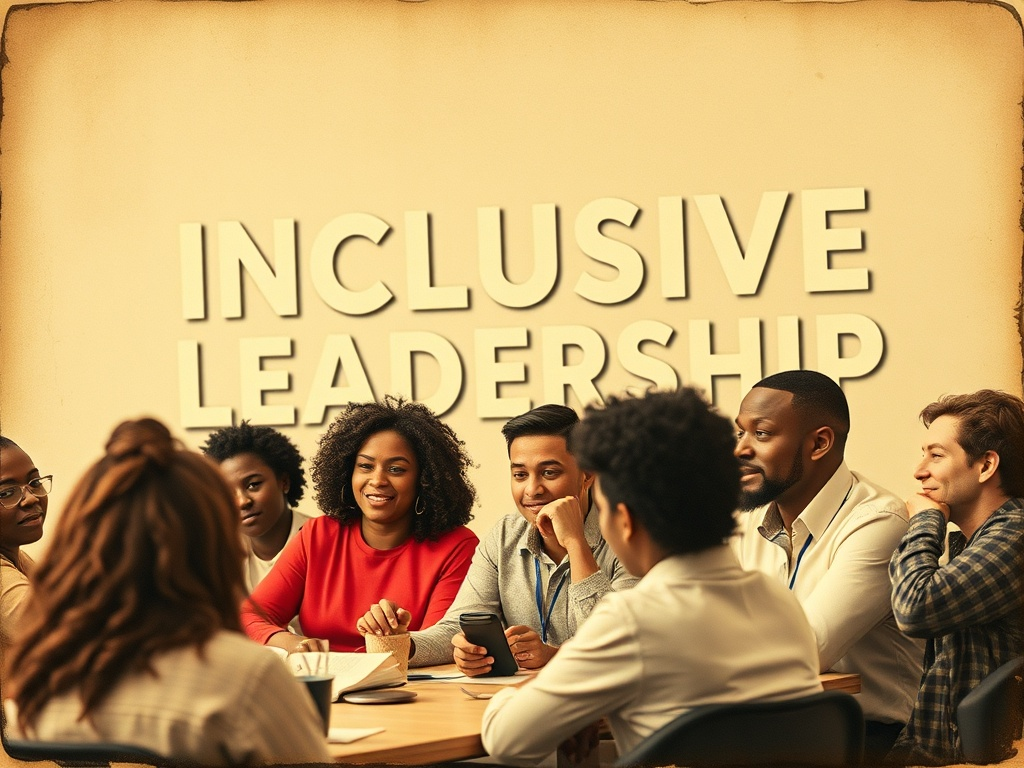
Inclusive leaders recognize that every individual brings unique perspectives and experiences to the table. They create an environment where everyone feels safe and comfortable sharing their thoughts and ideas.
This open-mindedness drives innovation as various viewpoints can come together to solve problems and create solutions.
However, understanding inclusive leadership and its benefits is one thing; effectively implementing it is another.
So what are some key traits of an inclusive leader?
Open Mindedness and Empathy
Inclusive leaders exhibit high levels of openness and empathy.
They are receptive to new ideas and perspectives, and they actively seek to understand their team members on a personal level. By displaying empathy, leaders make their employees feel heard and understood, leading to increased job satisfaction and loyalty.
Collaboration and Teamwork
Inclusive leadership fosters a collaborative environment. Inclusive leaders understand that the best results arise from collective effort.
They encourage teamwork and the sharing of ideas, creating opportunities for every team member to contribute their unique skills and knowledge.
Cultural Intelligence
Cultural intelligence is an often-overlooked trait of inclusive leadership. With teams becoming increasingly diverse, leaders must understand and appreciate different cultures. Leaders with cultural intelligence can navigate cross-cultural interactions adeptly, fostering mutual respect among team members.
Self-Awareness
An inclusive leader is self-aware, recognizing their biases and working actively to eliminate them. They understand how their actions and decisions may affect others and strive to ensure fairness in their leadership.
Fostering a Growth Mindset
Inclusive leaders encourage a growth mindset, both in themselves and their teams. They see failures not as dead ends but as learning opportunities.
They cultivate an environment where employees are encouraged to take risks, learn, and grow.
Practicing inclusive leadership is a journey that requires continuous learning and development.
It’s not about immediate perfection, but about progress, understanding, and the willingness to adapt and grow.
Today, as workplaces become more diverse, the importance of inclusive leadership is more pronounced. It’s not just about compliance with diversity and inclusion policies. It’s about leveraging diversity to drive innovation, productivity, and overall business success. Embracing inclusivity in leadership is a significant step towards creating an equitable, productive, and harmonious workplace.
In a world where everyone’s voice matters, inclusive leadership is the way forward.
It’s about creating a culture where everyone feels like they belong, where everyone is valued not in spite of their differences, but because of them. Indeed, inclusive leadership is the leadership of the future, paving the way for unprecedented levels of innovation, creativity, and success in the business realm.