How to Build Inclusive Leadership: Practical Habits, Metrics, and Training for Equitable, High-Performing Teams
Inclusive leadership shapes cultures where diverse perspectives are welcomed, equity is practiced, and teams thrive.
Organizations that prioritize inclusive leadership see stronger innovation, higher retention, and broader market relevance. Building inclusive leaders requires intentional habits, measurable goals, and everyday practices that make inclusion the norm rather than an initiative.
What inclusive leaders do differently
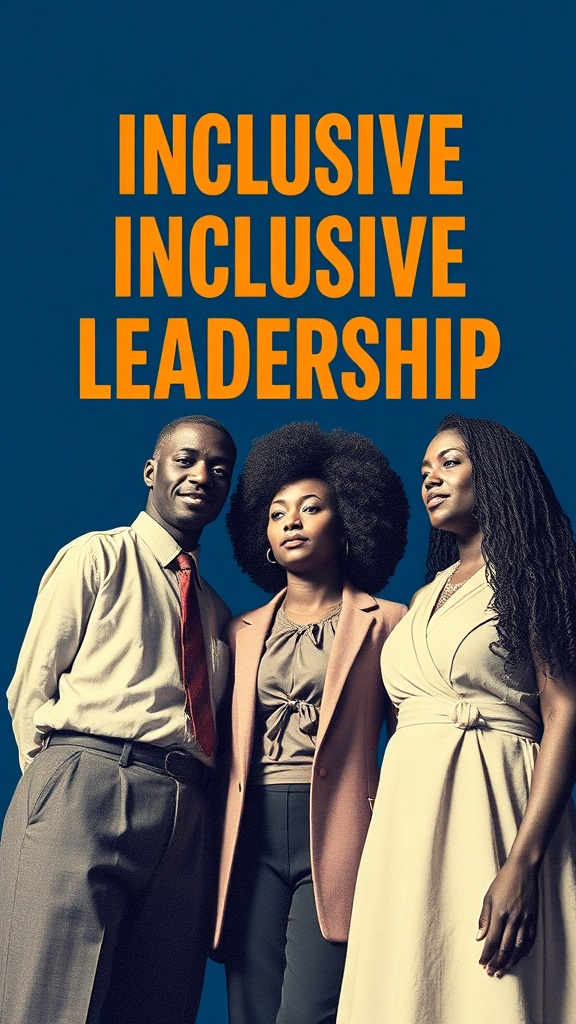
– Cultivate self-awareness: Inclusive leaders regularly reflect on their assumptions and seek feedback about how they are perceived. This includes examining unconscious bias and the ways power dynamics influence decisions.
– Create psychological safety: Teams do their best work when members feel safe to speak up, admit mistakes, and challenge ideas without fear of reprisal. Leaders foster open dialogue, model vulnerability, and respond constructively when people raise concerns.
– Center equity in decision-making: Decisions about hiring, promotion, pay, and resource allocation are made with equity in mind. That means using structured processes and clear criteria to reduce subjectivity.
Practical behaviors that drive inclusion
– Use structured interviews and rubrics to minimize bias during hiring and promotion.
– Rotate meeting facilitation and intentionally invite quieter voices to contribute; use agendas that allocate speaking time and call on people by role rather than status.
– Sponsor underrepresented talent—active sponsorship involves advocating for people in rooms where decisions are made, not just offering mentorship.
– Audit language and accessibility across communications and digital tools to ensure materials work for people with different needs.
– Offer flexible work arrangements and recognize different caregiving responsibilities, cultural observances, and neurodiverse work styles.
Measuring progress with meaningful metrics
Track metrics that show real change rather than vanity numbers.
Useful indicators include representation across levels and functions, promotion and pay equity, retention and turnover among different groups, engagement survey results broken down by demographic, and qualitative feedback from focus groups. Tie leadership performance reviews and incentives to inclusion outcomes so accountability lives at the top.
Training that moves beyond checkbox exercises
Effective development combines learning with practice. Start with bias awareness and move into skill-building: facilitation for inclusive meetings, coaching on difficult conversations, and decision-making frameworks that incorporate equity checks. Micro-practices—daily habits like intentional check-ins, de-biasing tools for hiring, and post-decision reviews—embed learning into work rhythms.
Common pitfalls to avoid
– Treating inclusion as a one-time program rather than a leadership competency.
– Relying solely on training without changing systems and processes that perpetuate inequity.
– Measuring only representation without tracking experience and outcomes for different groups.
Every leader can act now
Begin by conducting a rapid inclusion audit: review hiring and promotion processes, meeting norms, accessibility of tools, and employee feedback.
Launch a small set of experiments—structured interviews, rotating facilitators, sponsorship pilots—and measure what changes. Share results transparently and iterate.
Inclusive leadership is a continuous practice that unlocks the potential of diverse teams. By prioritizing self-awareness, equitable systems, measurable goals, and everyday inclusive behaviors, organizations create environments where people feel valued and are empowered to contribute their best work.